Sign In / Create Account
How to Get an Emotional Support Animal?
You get an emotional support animal by getting an ESA letter from a licensed mental health professional in your state.

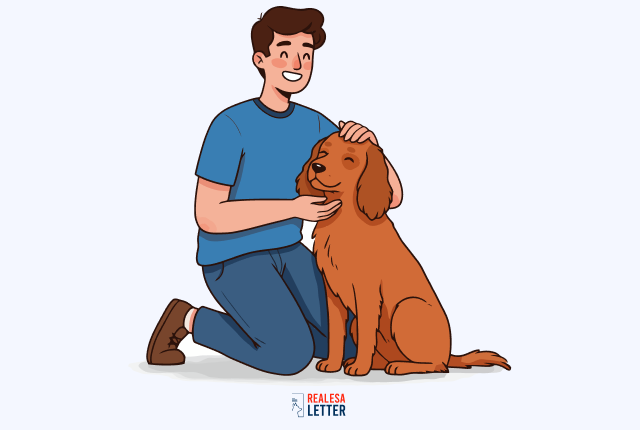
An ESA letter from RealESALetter.com can turn a pet you already own into an emotional support animal for housing.
Without the letter your animal is a regular pet. No-pet rules and pet fees still apply to you.
This guide covers the five steps and what to do first. It also explains how long it takes and what changed in 2026.
Key Takeaways
Two Conditions Must Be Met: A condition that substantially limits a major life activity. An animal that eases at least one symptom.
A Letter Is the Only Proof: It must come from a licensed mental health professional in your state. No registry or certificate counts.
Your Current Pet Can Qualify: An ESA needs no special training. Dogs and cats are the most common ESAs.
Get the Letter Before the Animal: Secure it before you adopt. Send it to your landlord before the animal moves in.
HUD Changed Enforcement in 2026: HUD rescinded its ESA guidance in May 2026. The Fair Housing Act and state ESA laws still apply.
What Are the 5 Steps to Get an Emotional Support Animal?
Getting an emotional support animal takes five steps. Most people finish them in a few days.
Every step depends on one document. That document is a legitimate ESA letter from a licensed provider. The steps below show how to get it and use it.
1. Check If You Qualify
You qualify if you have a mental health condition that substantially limits a major life activity. This is how the Fair Housing Act defines a disability.
Anxiety and depression are common qualifying conditions. PTSD and panic disorder also qualify. So do OCD and bipolar disorder.
You do not need to be in crisis. You only need a condition that affects your daily life. This guide to conditions that qualify for an ESA explains each one in plain terms.
2. See a Licensed Provider in Your State
You need an evaluation from a mental health professional licensed in your state. This can be a therapist or a psychologist. It can also be a licensed counselor or a clinical social worker (LCSW).
The visit can happen in person or by telehealth. The provider asks about your symptoms and daily life. Then they decide if an animal would help you.
Does your animal do a trained task for you? Tell the provider. A psychiatric service dog may fit you better. This comparison of an ESA vs a psychiatric service dog shows how the two differ.
3. Get Your ESA Letter
Your provider writes an ESA letter if you qualify. The letter works like a prescription for your animal. It comes on the provider's letterhead and includes:
- The provider's name and signature
- Their license type and license number
- The state that issued the license
- The date the letter was issued
- A statement that you have a disability-related need for an ESA
Your letter does not need to name your diagnosis. Your medical details stay private.
4. Choose or Designate Your Animal
Your current pet can become your ESA once you have the letter. It needs no special training or registration.
Dogs and cats are the most common ESAs. Rabbits and birds can qualify too. Most domesticated animals work.
Planning to adopt? Pick an animal whose temperament fits your home. A calm animal is easier to keep in a rental. You can adopt from a shelter or a rescue. This list of animals that can be an ESA helps you compare your options.
5. Send the Letter to Your Landlord
Send your landlord a copy of the letter with a written request. This is called a reasonable accommodation request.
Ask to keep your animal despite the no-pet rule. Keep a copy of everything you send. Save any reply you get.
This right comes from the Fair Housing Act at 42 U.S.C. § 3604. The law bars housing discrimination against people with disabilities.
Should You Get the Animal or the Letter First?
Get the letter first if you plan to adopt a new animal. The letter protects you before the animal arrives.
The right order depends on your situation:
- You already have a pet: Get the letter. Send it to your landlord right away.
- You plan to adopt: Get the letter first. Send it before the animal moves in.
- You live in a no-pet unit now: Get the letter. Make your request before the animal comes home.
You can make the request before you sign a lease. You can also make it after you move in. Our guide on how to get an ESA after you move in covers that case step by step.
How Long Does It Take to Get an Emotional Support Animal?
Most people get an emotional support animal within one to three days. That covers the evaluation and the letter.
A pet you already own can become your ESA the day your letter arrives. Adopting a new animal adds more time. Your landlord's response time also varies.
Five states take longer. They require a 30-day relationship with your provider before a letter can be issued:
- California (AB 468)
- Montana (HB 703)
- Arkansas (HB 1420)
- Iowa (SF 2268)
- Louisiana (HB 407)
RealESALetter.com clinicians follow California AB 468 and the 30-day laws in Montana, Arkansas, Iowa, and Louisiana before issuing an ESA letter.
Plan ahead if you live in one of these states. Start the process at least a month before you move.
Does an Emotional Support Animal Still Protect You in Housing After 2026?
Yes. State laws and the Fair Housing Act still protect emotional support animals. What changed in 2026 is how HUD handles federal complaints.
Before 2026: HUD guidance told landlords to treat ESAs as assistance animals. Landlords were expected to waive no-pet rules for them. Pet fees were not allowed. This guidance came from FHEO notices issued in 2013 and 2020. |
On May 22, 2026: HUD's Office of Fair Housing and Equal Opportunity (FHEO) rescinded both notices. It now follows a training-based standard drawn from the ADA. FHEO no longer expects landlords to treat untrained ESAs like trained service animals. This Holland & Knight summary of the HUD memo explains the change in detail. |
What did not change:
- The Fair Housing Act itself
- Your right to sue in federal or state court within about two years
- State ESA laws
- Section 504 rules for HUD-assisted housing
Your letter is still your main proof of need. Some landlords may now ask more questions. Our breakdown of HUD's 2026 enforcement change explains what it means for renters.
What Scams Should You Avoid When Getting an ESA?
Avoid any site that sells ESA registration or an ESA certificate. There is no government registry for emotional support animals.
Watch for these red flags:
- Registration numbers: No law recognizes an ESA registration.
- Certificates and ID cards: They are not legal proof. Only the letter counts.
- Vests sold as proof: A vest is optional. It gives your animal no rights.
- No live evaluation: A provider must assess you first. A letter after a quiz alone is a warning sign.
- Out-of-state providers: Your provider must be licensed where you live.
Conclusion
Getting an emotional support animal comes down to one document. Get your ESA letter first. Then choose your animal and send the letter to your landlord. When you are ready you can start your ESA evaluation with a licensed provider in your state.
Frequently Asked Questions
How hard is it to get an emotional support animal?

It is not hard if you have a qualifying condition. A licensed provider must confirm that condition first. Providers say no for three common reasons. You may not have a qualifying condition. The provider may not be licensed in your state. You may live in a 30-day state and need more time.
What does it take to care for an emotional support animal?
It takes daily time and steady money. Plan for food and vet visits. Keep vaccinations current. Your animal must be house-trained and calm. A landlord can remove an animal that poses a direct threat. The same applies to an animal that causes substantial property damage.
Do you need a therapist to get an emotional support animal?
You need a licensed mental health professional. A therapist is the most common choice. A psychologist or licensed counselor can also write the letter. What matters most is the license. Your provider must hold a valid license in your state.
Does insurance pay for an emotional support animal?
Health insurance usually does not pay for an ESA or the letter. You may be able to use HSA or FSA funds instead. These can sometimes cover the evaluation fee. Check with your plan before you pay.
Do emotional support animals need training?
No. Emotional support animals need no special training. Their presence is what helps you. Basic manners still matter in rental housing. Your animal should be house-trained and calm around neighbors.
Harper Jefcoat is a content writer with 10+ years of experience covering ESA laws, mental wellness, and emotional support animal benefits. As a blog author for RealESALetter, he educates readers on ESA regulations and promotes ethical documentation practices.

Precious L. is a Licensed Mental Health Counselor (LMHC) and qualified supervisor whose work centers on trauma-informed care, family systems, relationship health, and emotional adjustment.

Don't worry. Your pet stays with you.
Housing law is on your side
- 1A few questions. That's your paperwork
- 2A licensed therapist reviews your case
- 3Official ESA letter, ready to send
Not accepted? Full refund, guaranteed